Cost Ranges by Service Type
These ranges reflect what Colorado Springs homeowners typically pay based on the type of damage and services required. Your project may fall higher or lower depending on scope — the only way to get an exact number is an on-site assessment.
Water Extraction
$1,200 – $3,500 for single-room events on hard flooring or carpet. Multi-room extraction with standing water runs $3,500 – $7,000. Includes pump-out, pad removal, and initial moisture mapping.
Structural Drying
$2,000 – $6,000 depending on room count and material types. Commercial dehumidifiers and air movers run 3–5 days minimum. Winter events at altitude often require desiccant units, which adds to equipment cost.
Frozen Pipe Damage
$2,500 – $12,000+ depending on how long the pipe ran before discovery. Single-room, caught-early events stay under $5,500. Multi-room bursts that sat for hours and require drywall removal push $8,000 – $12,000.
Basement Water Damage
$4,000 – $10,000 for significant standing water events. Concrete slab drying takes 5–7 days minimum. Finished basements with drywall, carpet, and built-ins run toward the higher end due to material removal and replacement.
Sewage Cleanup
$4,500 – $15,000 regardless of area size. Category 3 water requires biohazard protocols, aggressive material removal, and commercial disinfection. There's no shortcut — cutting scope on sewage creates a health risk.
Mold Remediation
$3,000 – $12,000 after a water event. Scope depends on how far mold has spread, which materials are affected, and whether containment barriers are needed. HEPA filtration, clearance testing, and post-remediation verification are included.
These ranges cover extraction through basic repairs. They don't include the plumbing fix itself (that's a separate trade) or cosmetic upgrades beyond pre-loss condition. Want to know where your situation falls? Call (833) 567-6041 — we'll give you a realistic scope on-site, not a guess over the phone.
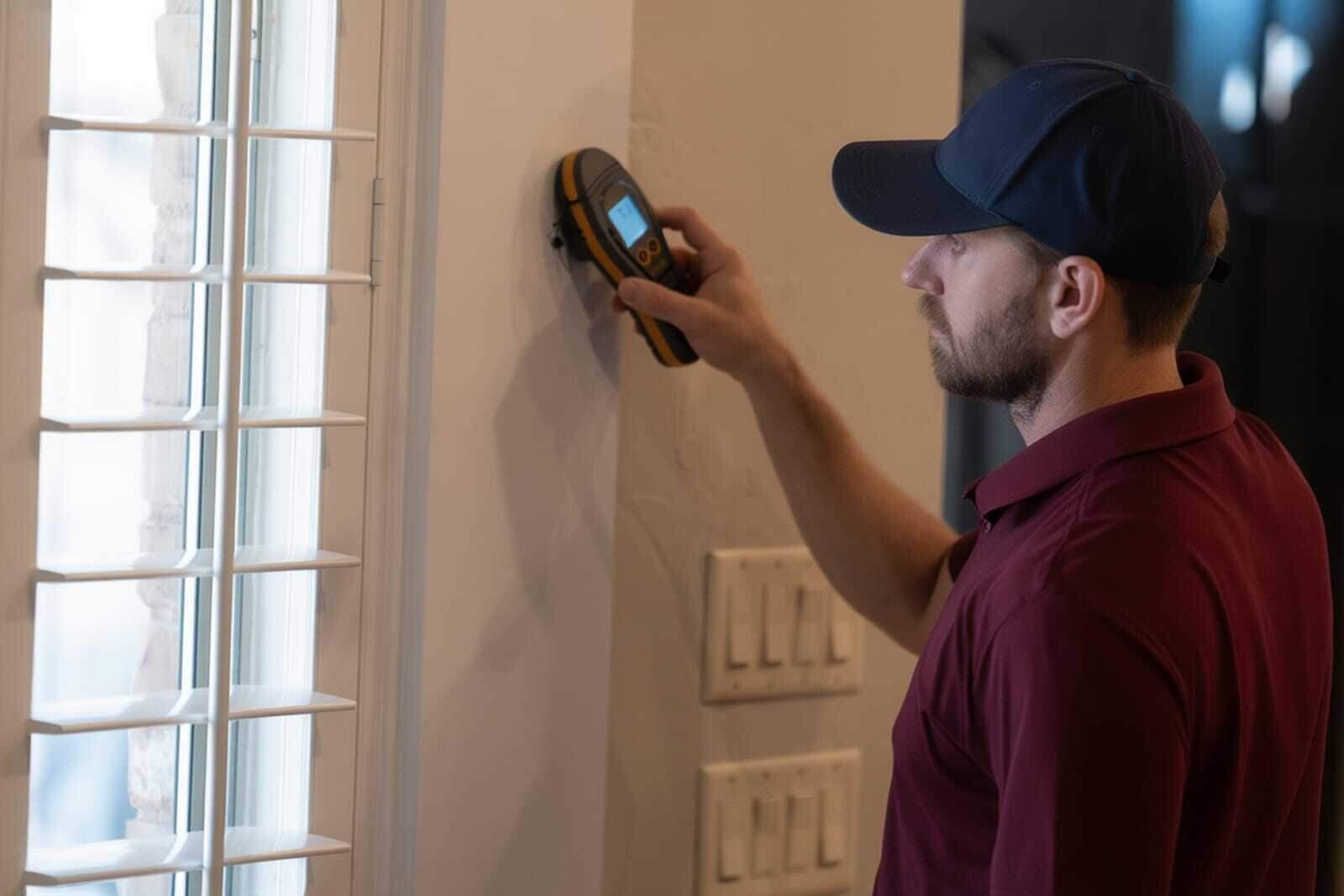
What Drives Your Restoration Cost
Two homes on the same street can have the same pipe burst and end up with bills $5,000 apart. Here's what actually moves the number:
Time Water Sat
This is the single biggest cost driver. A burst pipe extracted within 2 hours costs a fraction of one discovered 8 hours later. Clean water degrades to Category 2 after 48 hours, triggering more material removal and higher protocols.
Water Category
Category 1 (clean supply line) is least expensive. Category 2 (appliance discharge, aged water) requires more material removal. Category 3 (sewage or exterior flood) requires the most aggressive — and costly — protocols.
Number of Rooms Affected
Each room needs its own drying equipment setup. Multi-room events scale roughly linearly — a three-room pipe burst costs roughly three times what a single-room event does for equipment and monitoring alone.
Material Types
Hardwood flooring, custom tile, and finished basements cost more to restore than standard carpet and builder-grade drywall. The materials themselves are more expensive, and the restoration techniques are more labor-intensive.
Mold Involvement
If mold has established — typically 48–72 hours after a water event — remediation becomes a separate scope. Containment, HEPA filtration, removal, and clearance testing add $3,000–$12,000 depending on spread.
Season & Access
Winter events in Colorado Springs require desiccant dehumidifiers and longer drying times. Crawl space work, attic pipe bursts, and multi-story homes require more labor and specialized equipment positioning.
The takeaway: calling fast is the most effective way to keep costs down. Every hour of delay expands scope, raises the water category, and increases the likelihood of secondary damage like mold. If you're dealing with water right now, call us at (833) 567-6041 — we respond same-day across Colorado Springs and El Paso County.

Insurance Coverage for Water Damage in Colorado
Understanding your coverage before a water event prevents surprises during the claim. Here's how most standard Colorado homeowner policies handle water damage restoration costs:
What's Typically Covered
Sudden pipe bursts, appliance failures, supply line breaks, and accidental discharge. Includes extraction, drying, material removal, repairs, and contents damage. Emergency mitigation (steps to prevent further damage) is almost always covered regardless of cause.
What's Typically Excluded
Gradual leaks (considered maintenance), sewage backup without endorsement, external flooding (requires NFIP policy), ground seepage, the plumbing repair itself, and pre-existing or deferred-maintenance damage.
Conditional & Sub-Limited
Mold remediation — covered if caused by a covered peril, but often capped at $5,000–$25,000. Sewage — covered only with endorsement ($40–$75/year). Frozen pipes — covered if adequate heat was maintained; limited if the home was vacant or heat was shut off.
How We Help With Your Claim
We document moisture readings, damage scope, and drying progress from the first hour on-site. Photos, thermal imaging, and daily drying logs — in the format your adjuster needs to approve the full restoration scope. Proper documentation is the difference between a smooth claim and a disputed one.
We work with all major carriers in Colorado Springs including State Farm, USAA, Allstate, American Family, Farmers, Liberty Mutual, and Travelers. We bill insurance directly — you pay your deductible, we handle the rest.
Frequently Asked Questions About Restoration Costs
How much does water damage restoration cost in Colorado Springs?
Most residential projects fall between $2,500 and $12,000 depending on scope. Single-room clean water events with extraction and drying run $1,200–$3,500. Multi-room pipe bursts with drywall removal range $5,000–$12,000. Sewage events and large-scale mold remediation can exceed $15,000. The only way to get an accurate number is an on-site moisture assessment — call (833) 567-6041 for a same-day evaluation.
Why are frozen pipe repairs more expensive in Colorado Springs?
Frozen pipe bursts often go undetected for hours — especially overnight — which means water migrates further into wall cavities, subfloors, and adjacent rooms before anyone notices. Winter conditions also require desiccant dehumidifiers instead of standard units, and cold indoor temperatures extend drying from 3 days to 5+ days. Larger scope plus longer equipment runtime drives the total higher than warm-season events.
Does homeowner's insurance cover water damage restoration costs?
Most standard Colorado policies cover sudden and accidental water damage — pipe bursts, appliance failures, supply line breaks — minus your deductible. Key exceptions: gradual leaks (maintenance), sewage backup (requires endorsement), external flooding (requires NFIP), and mold remediation sub-limits ($5,000–$25,000 cap). We document everything from the first hour so your adjuster has what they need to approve full scope.
Can I reduce my water damage restoration cost?
Speed is the single biggest cost reducer. Calling within the first hour limits water migration, keeps the damage category lower, and often prevents mold entirely. Beyond that: maintaining adequate insurance with sewage endorsement, knowing your shutoff valve locations, and choosing a company that documents properly for claims all keep your out-of-pocket cost down. Call (833) 567-6041 the moment you discover water — every hour matters.
Should I get multiple quotes for water damage restoration?
You can, but compare carefully. A low quote may cover extraction only — no drying, no monitoring, no material removal. A complete quote includes extraction, 3–5 days of monitored drying, material removal, antimicrobial treatment, and basic repairs. Ask what's included, what water category they're quoting for, and whether drying monitoring is part of the price. The cheapest quote that leads to mold two weeks later is the most expensive option.