Why Structural Drying Matters After Water Damage
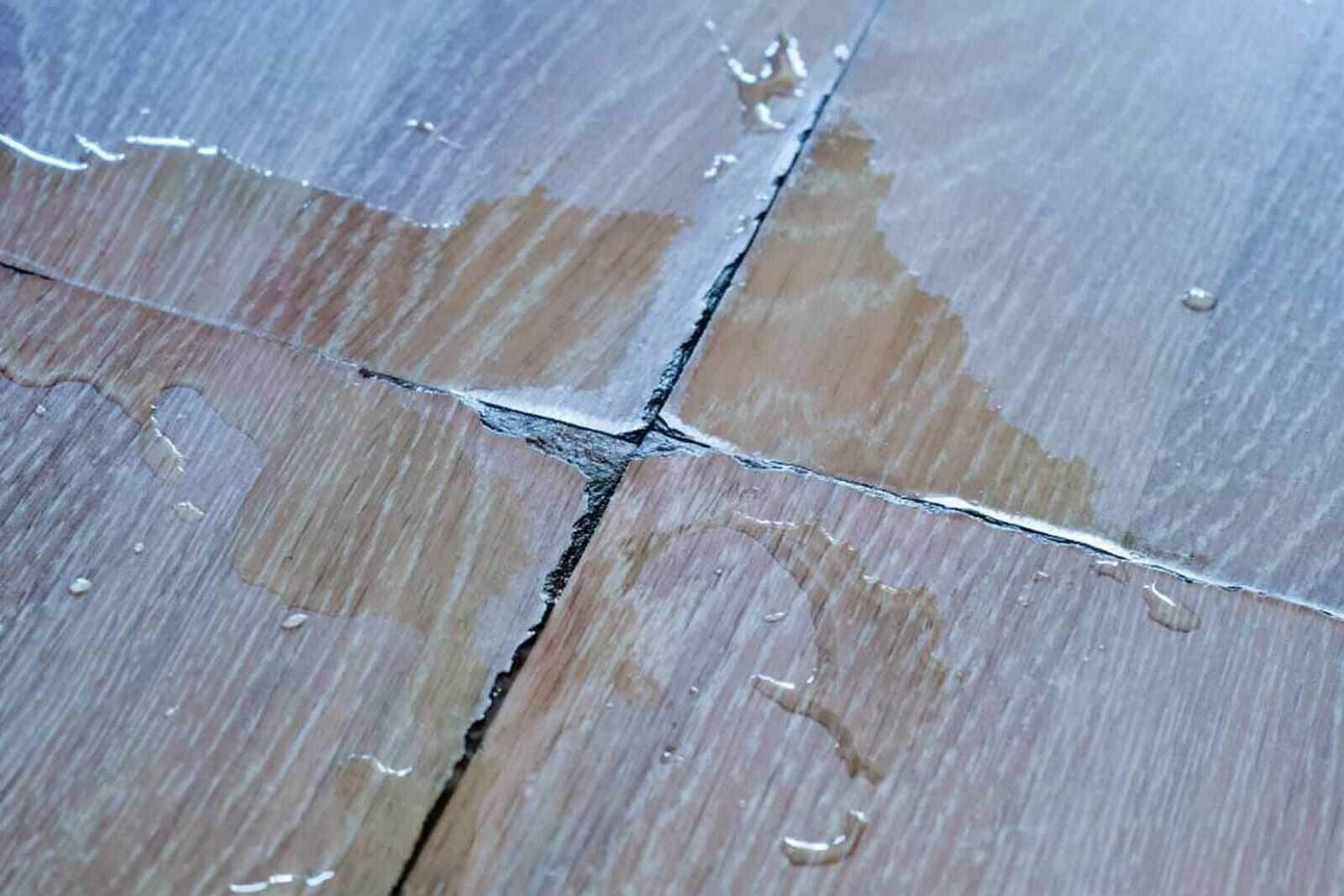
After water extraction, your floors may look dry and walls may feel fine. But moisture hides inside framing, behind vapor barriers, and deep in concrete slabs. In Colorado Springs, our low ambient humidity makes surface drying deceptive — enclosed materials hold their own micro-climate regardless of outdoor conditions. Without professional water drying services, hidden moisture leads to mold growth, warped framing, and failed flooring within days.
High-Volume Air Movers
Centrifugal fans pushing 1,500–3,000 CFM positioned at calculated angles based on moisture map data — forcing evaporation from materials, not just circulating room air.
Refrigerant Dehumidifiers
Commercial units pulling 30–75 pints per day each. Our standard workhorses for water damage dehumidifier work when indoor temps stay above 65°F.
Desiccant Dehumidifiers
Essential for Colorado Springs winter drying. When temps drop below 65°F — common during frozen pipe events — desiccant units work at any temperature where refrigerant models fail.
Injectidry Wall Systems
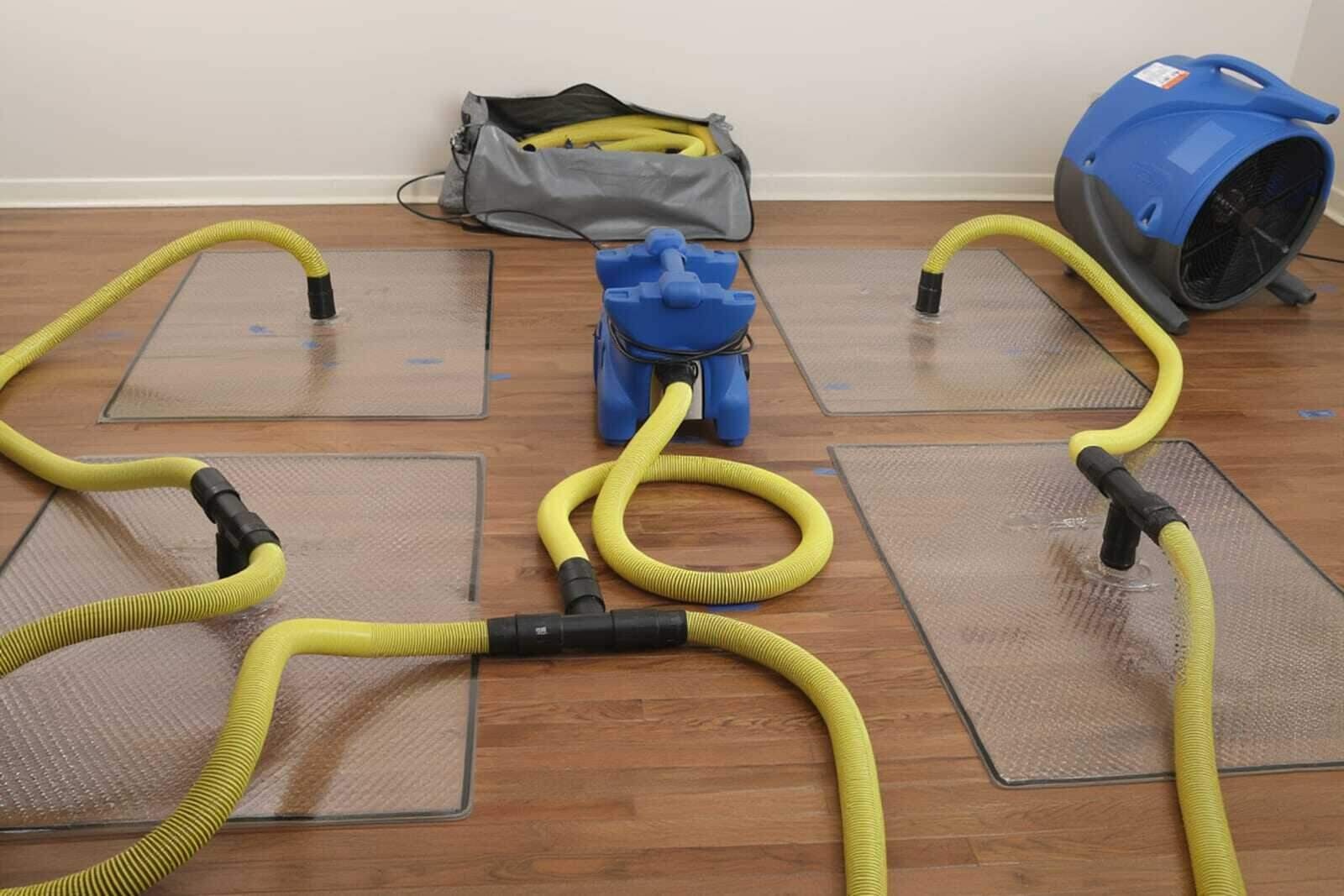
Negative-pressure panels that pull warm dry air through wall cavities and under subfloors — reaching enclosed spaces that air movers can't access directly.
Penetrating Moisture Meters
Pin-type meters that read moisture content inside wood and drywall — what's actually happening inside the material, not just on the surface. Every reading is logged.
Infrared Thermal Imaging
Thermal cameras reveal moisture patterns behind walls and under flooring that meters alone can miss. We use IR to build your initial moisture map and verify completeness at close-out.
Our Structural Drying Process
Moisture Mapping & Assessment
After water extraction, we map every affected area with penetrating meters, non-invasive sensors, and infrared thermal imaging. We establish dry reference readings from unaffected areas of your home — because moisture mapping water damage is how we set accurate targets, not arbitrary numbers.
Equipment Placement
We position air movers, dehumidifiers, and cavity-drying systems based on your moisture map. At Colorado Springs elevation, lower atmospheric pressure changes evaporation dynamics — we account for that in equipment selection and placement. Cold-weather events get desiccant dehumidifiers; warmer conditions get refrigerant units.
Daily Monitoring & Adjustment
Every monitoring point gets a reading every day. We log moisture content, temperature, relative humidity, and equipment runtime. If an area isn't responding, we reposition air movers, add equipment, or open wall sections for direct access. Data drives every decision.
IICRC S500 Verification
Drying is complete when every monitoring point reaches dry standard — wood framing at 12–15% MC, drywall matching unaffected reference readings, concrete below threshold on RH probes. We verify with data, not guesswork. Your drying logs document the entire process.
Equipment Removal & Documentation
Once dry standard is confirmed across all monitoring points, we remove equipment and provide complete drying documentation — timestamped readings, equipment logs, and thermal images. This package is exactly what your insurance adjuster needs to approve the claim.
Why Fast Structural Drying Matters
Mold Starts in 48–72 Hours
Mold colonizes damp materials within two to three days. Once it's established behind walls, you're looking at a full mold remediation project on top of your water damage repair. Professional water drying services prevent that escalation.
Structural Integrity at Risk
Prolonged moisture exposure weakens wood framing, delaminates OSB subfloor, and compromises fastener connections. What starts as a water damage drying job becomes a structural repair if left too long.
Insurance Timelines Are Strict
Carriers expect prompt mitigation. Delays in starting structural drying can give your adjuster grounds to deny portions of the claim. We respond fast and document from hour one to protect your coverage.
Secondary Damage Multiplies Costs
Every day of uncontrolled moisture adds to the repair bill — warped flooring, stained drywall, corroded fasteners, failed insulation. Getting drying right the first time is the most cost-effective thing you can do after water damage.
What to Do Before We Arrive
Stop the Water Source
If you haven't already, shut off the water supply to the affected area. For frozen pipe breaks, close the main shutoff valve.
Move Furniture Off Wet Areas
Lift or relocate furniture, rugs, and personal items from wet floors. This protects your belongings and gives us immediate access for equipment placement.
Open Interior Doors
Airflow is critical. Open closet doors, cabinet doors, and interior room doors in affected areas to improve air circulation before equipment arrives.
Run Your HVAC
Set your thermostat to 70–75°F and keep the system running. Consistent temperature improves dehumidification efficiency — especially important at Colorado Springs altitude.
Document Everything
Take photos and video of all visible water damage before anything is moved or dried. Your insurance claim starts with your documentation.
Call Us — Don't Wait
Every hour of delay increases drying time and damage scope. Call (833) 567-6041 now and we'll have a crew and equipment on site fast.
Not sure what you're dealing with? Call (833) 567-6041 and we'll walk you through it over the phone — no charge, no obligation.
Insurance Claims for Structural Drying
Most homeowner policies cover structural drying when the cause of loss is a covered peril. We handle the documentation side so you don't have to fight for coverage.
We Document From Day One
Daily moisture readings at every monitoring point, equipment runtime logs, thermal images, and before/after comparisons. Our drying logs meet IICRC S500 documentation standards — the format adjusters expect to see.
We Work With Your Adjuster
We communicate directly with your insurance adjuster, provide documentation on their timeline, and answer technical questions about equipment and drying duration. No back-and-forth on your end.
We Protect Your Claim
Without proper drying logs, adjusters can challenge the number of drying days billed. Our documentation shows exactly why each day of drying was necessary — protecting your reimbursement for the full cost of water damage repair.
We work with all major carriers including State Farm, USAA, Allstate, American Family, Farmers, and Liberty Mutual. Questions about your coverage? Call (833) 567-6041 — we'll help you understand what to expect.
Structural Drying Questions
How long does structural drying take in Colorado Springs?
Most homes dry in 3–5 days with commercial equipment running continuously. Concrete slabs, insulated wall cavities, and winter events can extend that. We monitor daily and remove equipment when IICRC S500 dry standard is confirmed — not on an arbitrary schedule.
Does Colorado's dry air mean my house will dry on its own?
No. Low ambient humidity helps exposed surfaces dry fast, which creates a false sense of done. Moisture trapped inside wall cavities, under subfloors, and in concrete doesn't benefit from outdoor air. Those enclosed spaces hold their own humidity. Without forced airflow and mechanical dehumidification, hidden moisture stays put and mold can develop within 48–72 hours.
What equipment do you use for structural drying?
We deploy high-volume air movers, commercial refrigerant dehumidifiers, desiccant dehumidifiers for cold-weather work below 65°F, and Injectidry wall-cavity systems. At Colorado Springs altitude, desiccant units are essential during winter months when refrigerant dehumidifiers lose efficiency. Equipment placement is guided by moisture mapping data.
Will my insurance cover structural drying?
Most homeowner policies cover structural drying as part of water damage restoration when the cause of loss is a covered peril. We document everything — daily moisture readings, equipment logs, thermal images — and work directly with your adjuster. Call (833) 567-6041 and we can discuss your specific situation.
How do you know when drying is complete?
We compare moisture readings in affected materials to dry reference readings from unaffected areas of your home. Wood framing targets 12–15% moisture content, drywall must match unaffected readings, and concrete is measured with RH probes. Every monitoring point must hit IICRC S500 dry standard — verified by data, not guesswork.