Complete Mold Removal Services
From mold inspection and testing through final clearance — everything needed to eliminate mold from water damage and prevent it from returning.
Mold Inspection & Testing
Moisture meters, thermal imaging, and air quality testing to locate hidden mold colonies behind walls, under flooring, and inside HVAC systems. We map the full extent before starting work.
Containment & HEPA Filtration
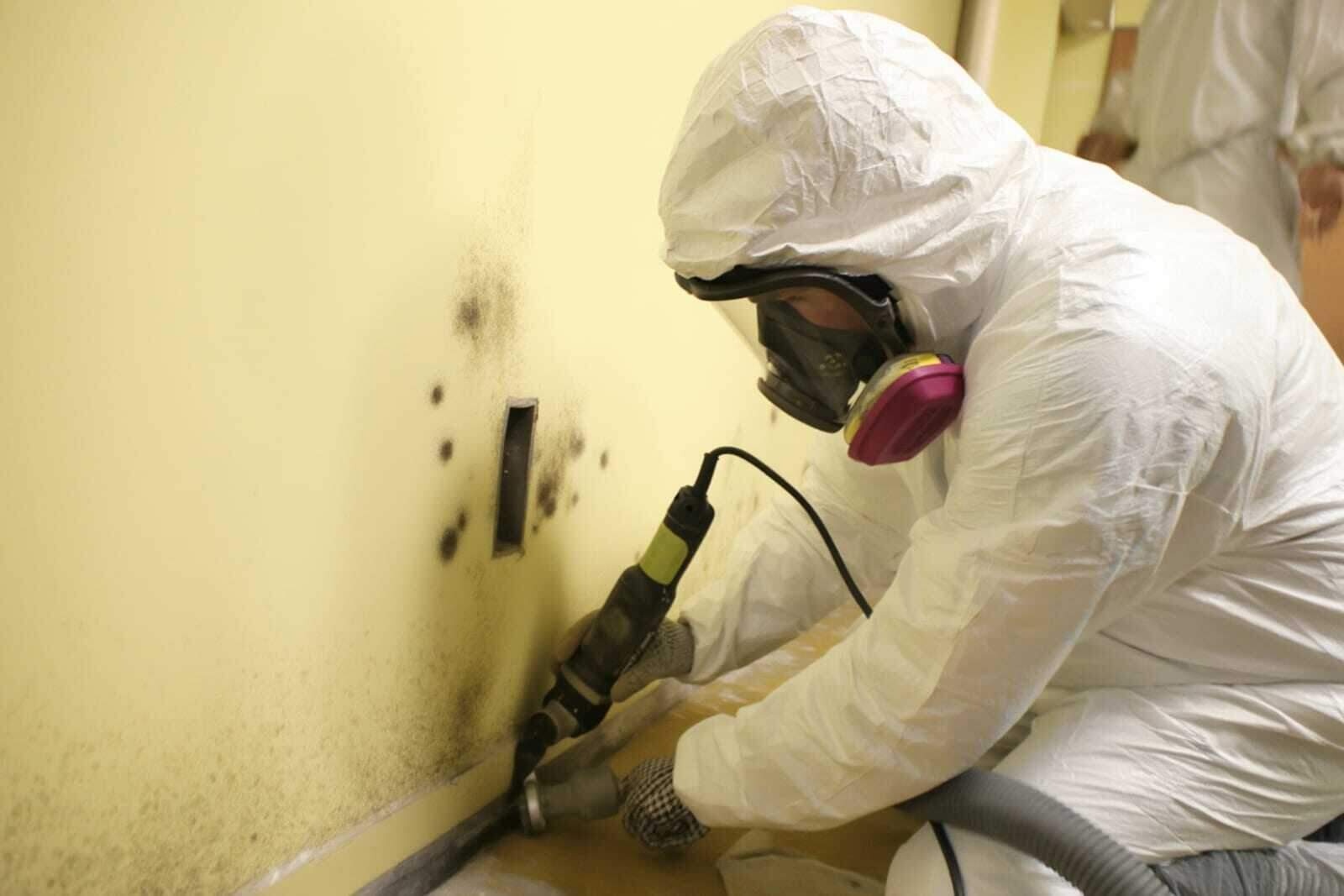
Negative air pressure and HEPA air scrubbers prevent spores from spreading to unaffected areas during the mold removal process.
Safe Mold Removal
Complete removal of mold-affected drywall, insulation, carpet, and other porous materials following EPA and IICRC S520 protocols.
Antimicrobial Treatment
EPA-registered antimicrobial treatment on all cleaned surfaces to eliminate remaining organisms and create a protective barrier against recolonization during rebuild.
Clearance Testing & Verification
Post-remediation air sampling and surface testing to verify mold spore levels are back to safe concentrations. Independent third-party testing available for additional assurance.
Structural Repair & Restoration
Drywall, flooring, and trim replacement to return your home to pre-loss condition after mold-damaged materials are removed. One company handles the entire job — no separate contractors needed.
Our Mold Remediation Process
Systematic, IICRC-compliant water damage and mold remediation — from the first call through verified clearance. Every step documented for your insurance claim.
Inspection
Full mold inspection with moisture mapping and air quality baseline.
Containment
Poly barriers and negative air pressure isolate the work area.
HEPA Filtration
Continuous air scrubbing captures airborne spores down to 0.3 microns.
Removal
Affected materials removed, non-porous surfaces cleaned and treated.
Clearance
Air sampling confirms safe spore levels before containment comes down.
Why Immediate Action Matters
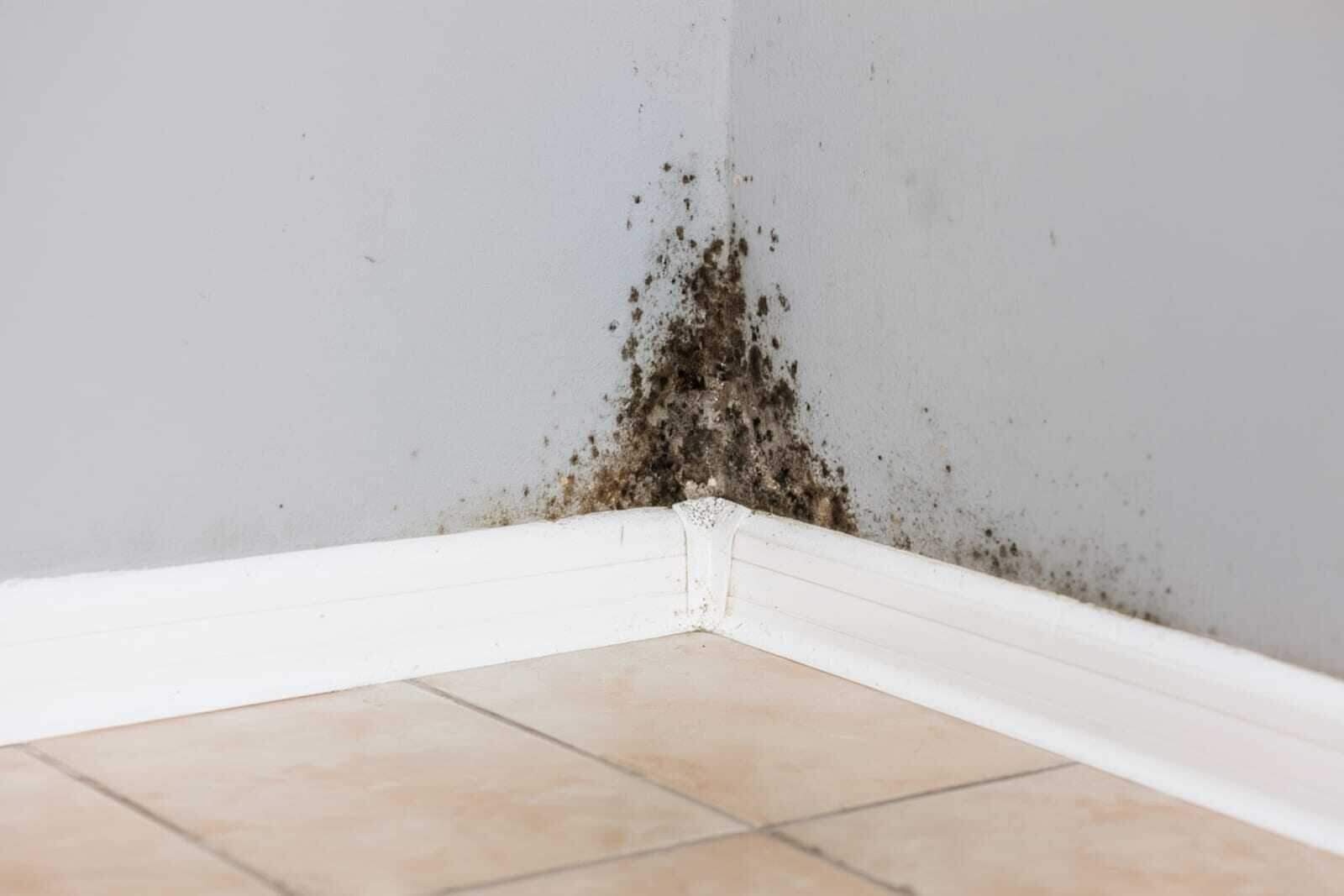
Mold from water damage spreads fast and gets worse daily. Every day you wait increases the scope — and the cost of remediation.
Mold doubles every 24–48 hours
A small patch behind drywall can spread to an entire wall cavity in days. Early containment dramatically reduces the scope of mold removal needed.
Health risks increase with exposure
Mold spores trigger allergies, asthma, and respiratory infections. Prolonged exposure is especially dangerous for children, elderly, and anyone with compromised immune systems.
Structural damage accelerates
Mold feeds on organic materials — drywall paper, wood framing, carpet backing. The longer it grows, the more material must be removed and replaced.
Black mold needs sustained moisture
Stachybotrys (black mold) develops on materials wet for 7+ days. Prompt water extraction and structural drying prevent the conditions it requires.
What to Do Right Now
Learn more about mold health risks at the EPA's guide to mold.
We Work With All Insurance Providers
We Document
Professional photos, moisture readings, mold testing results, and scope-of-work from minute one.
We Coordinate
Direct communication with your adjuster to ensure full coverage for mold and water damage repair.
We Bill Direct
Direct billing so you don't pay out of pocket upfront for mold remediation services.
Major carriers accepted: State Farm, Allstate, USAA, Liberty Mutual, Farmers, Nationwide, Progressive, and all other providers.