Complete Ceiling Water Damage Repair Services
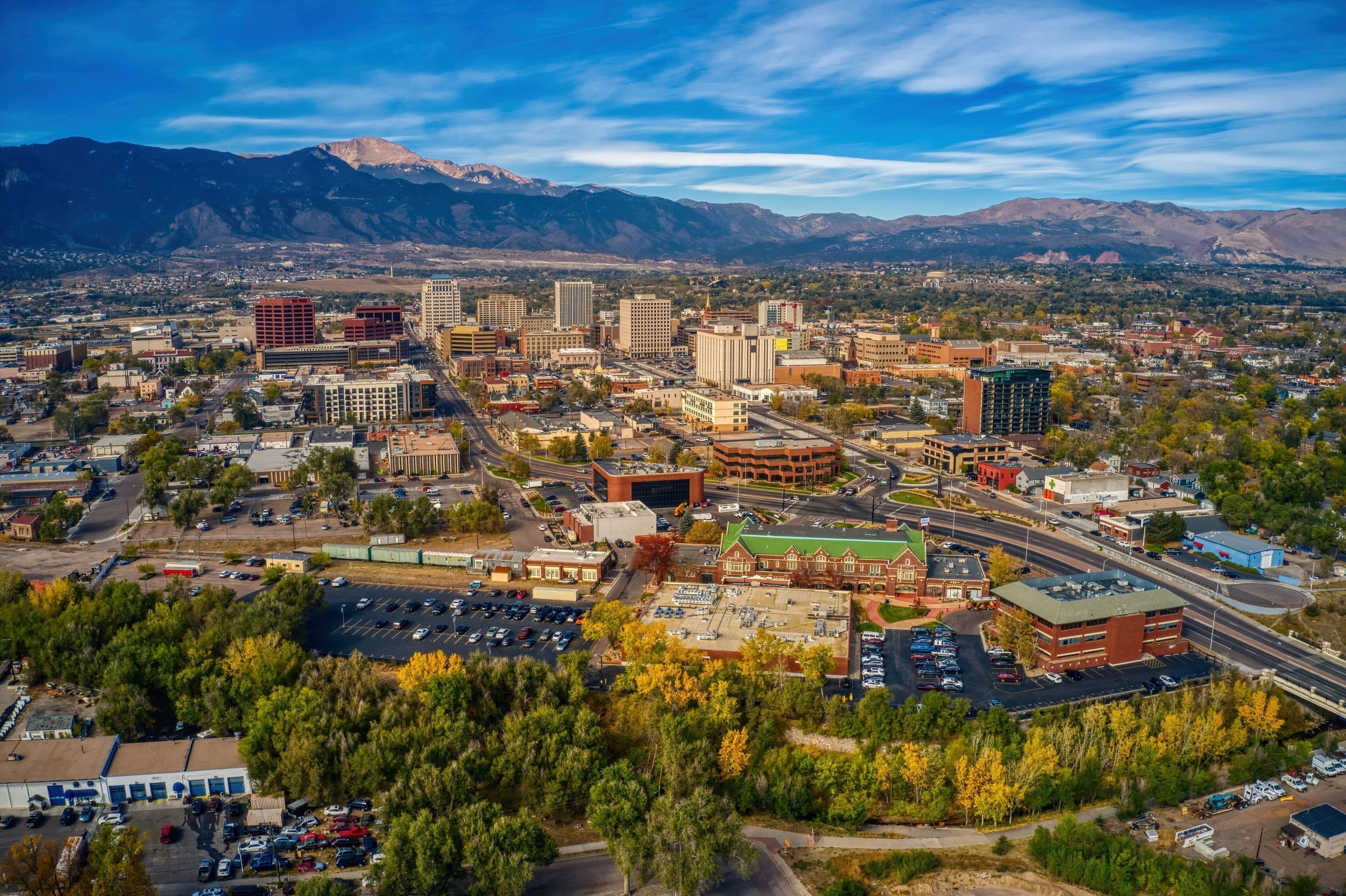
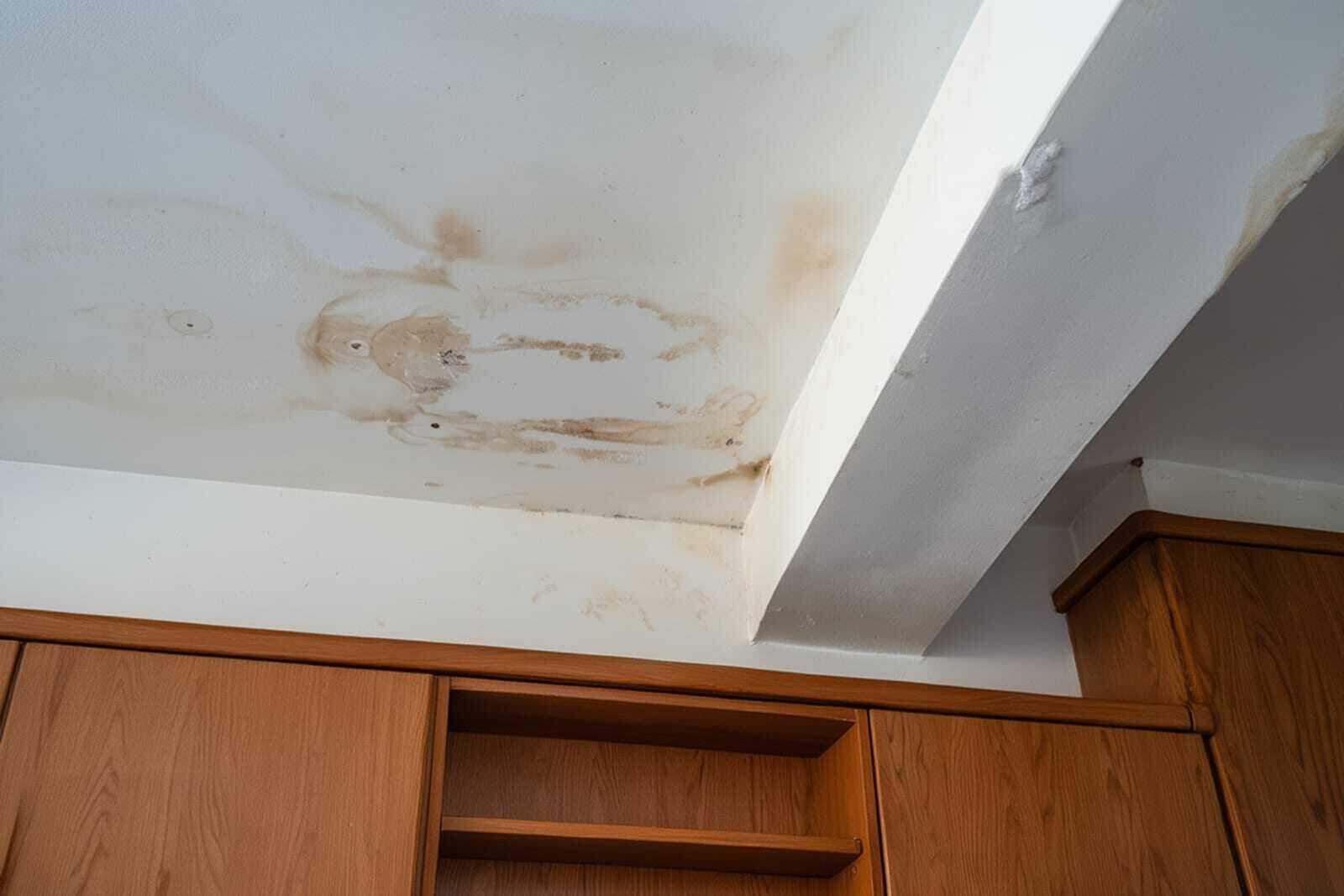
Colorado Springs homes face ceiling water damage from causes most other cities don't deal with. Frozen attic pipes, ice dams from rapid temperature swings, and upstairs plumbing failures all hit ceilings first. We handle every stage — from finding the source to matching your existing ceiling texture.
Leak Source Tracing
Moisture meters, thermal imaging, and physical inspection above the ceiling. Water travels laterally along joists — the stain location rarely marks the source. We find the origin before touching anything else.
Controlled Water Drainage
When water pools above the drywall, we puncture at the lowest point into collection containers — controlled release, not waiting for a ceiling collapse. Prevents secondary damage to floors and furnishings below.
Structural Drying
Air movers and commercial dehumidifiers targeted at open joist cavities. We monitor until framing and remaining materials reach dry standard — not just surface-dry, but verified with meters at depth.
Mold Inspection & Remediation
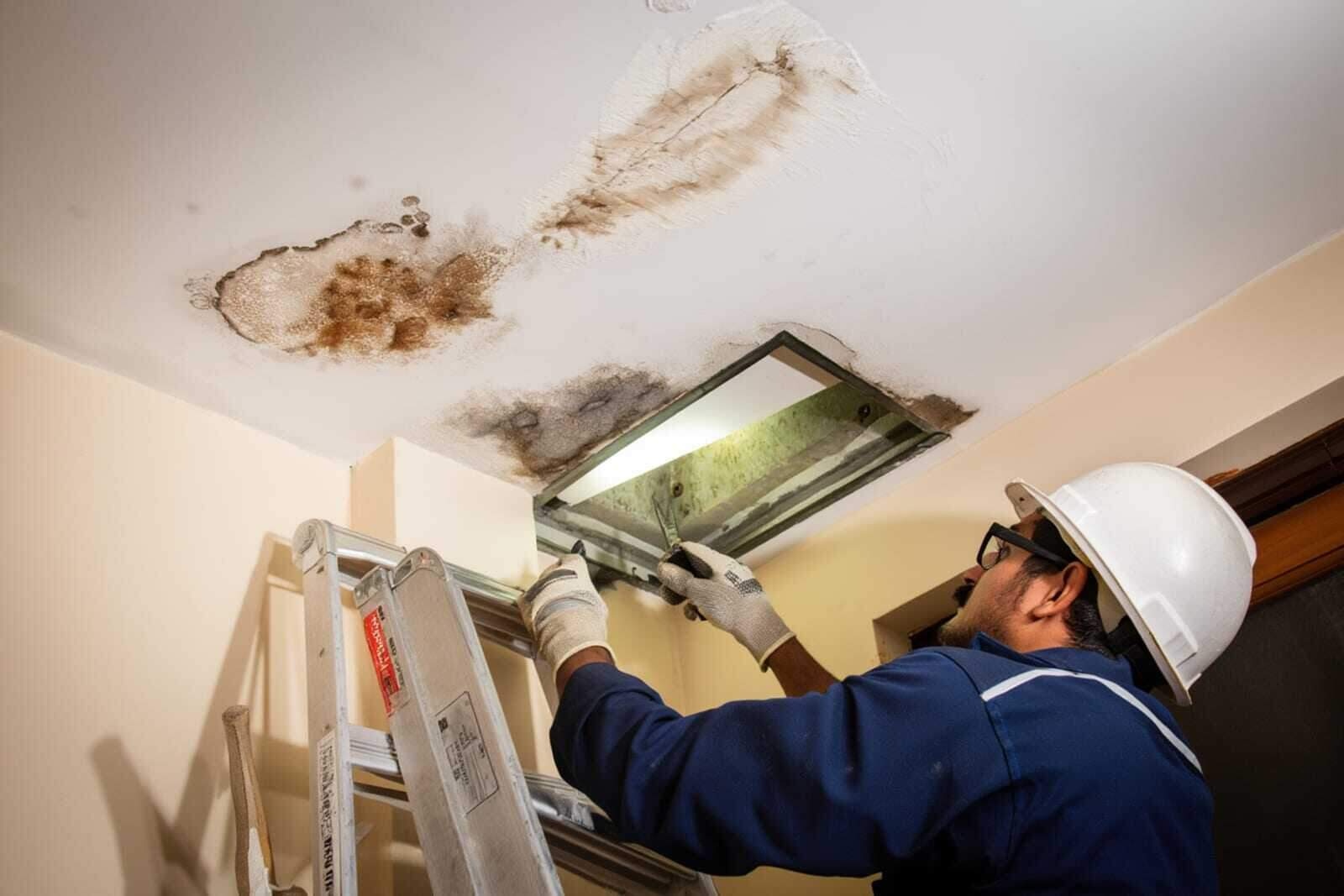
Every ceiling we open gets inspected. The cavity above your drywall is dark, enclosed, and poorly ventilated — prime conditions for mold after a leak. If we find it, we remediate before closing the ceiling back up.
Drywall Replacement & Texture Match
New drywall cut to the nearest joist on each side, taped, mudded, and textured to blend with your existing ceiling. We match knockdown, orange peel, smooth, and popcorn textures so the repair disappears.
Frozen Pipe & Ice Dam Specialists
Colorado Springs' winter-specific ceiling damage is our bread and butter. Frozen attic pipes, ice dam infiltration, and burst supply lines in unconditioned spaces — we've traced hundreds of these leaks across neighborhoods from Broadmoor to Old North End.
Our Ceiling Repair Process — Source to Finish
Fixing the drywall without resolving the water source guarantees the stain comes back. Here's how we make sure it doesn't.
Inspect & Trace the Source
We arrive, assess the visible damage, then trace the water path upstream using moisture meters and thermal imaging. Attic access, exploratory openings, and physical inspection identify the origin — whether it's a frozen pipe, plumbing failure, or roof infiltration.
Stop the Water & Drain Safely
Source gets shut down or isolated immediately. If water is pooled above the ceiling, we perform controlled drainage — puncturing at the lowest point into collection containers. No uncontrolled collapses, no secondary damage to the room below.
Remove Damaged Materials
Saturated drywall is cut back to the nearest joist on each side. Wet insulation comes out. This exposes the full joist cavity for inspection, drying access, and confirms the extent of damage hidden above the surface.
Dry, Inspect & Treat
Commercial drying equipment targets the open cavities. While drying, we inspect exposed joists and framing for mold. If present, remediation happens now — before the ceiling gets sealed back up.
Restore & Texture-Match
New drywall installed, taped, mudded, and textured to match. Final prime and paint. We photograph the completed repair for your insurance file and walk you through what was found and fixed.
When Ceiling Water Damage Can't Wait
Some ceiling damage needs same-day response. If you're seeing any of these, call (833) 567-6041 now — don't wait to see if it gets worse.
Sagging or Bulging Ceiling
Water pooling above drywall. The ceiling can collapse without warning, dropping tens of gallons of water and heavy saturated material. Stay clear of the area and call immediately.
Active Dripping or Flowing Water
The source is still running. Every minute of delay means more water soaking into framing, insulation, and adjacent areas. Contain what you can and get us on the way.
Ceiling Stain Growing Visibly
An expanding wet perimeter means the leak is active and spreading. The longer water travels along joists, the more ceiling area and wall sections below get involved.
Musty Smell Without Visible Damage
A musty odor near the ceiling often means a slow leak has been feeding mold growth in the hidden cavity above. The longer this goes, the larger the remediation scope when it's finally opened up.
What to Do Before We Arrive
If you've spotted ceiling water damage and you're waiting for our crew, these steps protect your home and help us work faster.
Move furniture and valuables away from the affected area
Water can release suddenly from a weakened ceiling. Clear the zone directly below the damage.
Place buckets or containers under active drips
Collect what you can to minimize floor and carpet damage while you wait.
Do NOT poke holes in a bulging ceiling yourself
An uncontrolled puncture can release the full water load at once. We drain it in a controlled manner with containment ready.
Turn off water supply if you suspect a pipe leak
If you can identify which line is leaking — especially an upstairs bathroom — shut the valve. If unsure, shut the main.
Turn off electricity to the affected room
Water near ceiling light fixtures or junction boxes is a shock hazard. Kill the breaker for that room at the panel.
Take photos of the damage before cleanup begins
Your insurance claim needs documentation from the earliest stage. Photograph the stain, any dripping, and the room conditions.
Already done all this? Call us at (833) 567-6041 and we'll be on our way. Haven't started? Don't worry about the list — just call. We'll walk you through it.
Insurance Claims for Ceiling Water Damage
Most homeowner policies cover sudden ceiling water damage from burst pipes, plumbing failures, and appliance malfunctions. We work with your carrier to document the damage, provide the repair scope, and support your claim from start to finish.
We Document Everything
Moisture readings, damage photos, source identification, and detailed repair scope — all formatted for insurance submission. We know what adjusters need to approve a claim.
Direct Adjuster Coordination
We work directly with your insurance adjuster, answer technical questions about the damage, and provide supplemental documentation if the initial estimate needs revision.
Billing & Payment Support
We can bill your insurance directly in most cases. You're responsible for your deductible — we handle the rest of the paperwork and follow-up with your carrier.
We work with all major carriers including State Farm, USAA, Allstate, American Family, Farmers, and Liberty Mutual. Not sure if your damage is covered? Call us at (833) 567-6041 — we'll help you figure out whether to file.
Ceiling Water Damage Questions
How much does ceiling water damage repair cost in Colorado Springs?
Minor ceiling water damage repair typically ranges from $500–$1,500 for small areas with a known source. Moderate damage involving structural drying and drywall replacement usually runs $1,500–$4,000. Severe cases with mold remediation or multi-room involvement can reach $5,000–$10,000+. We provide a detailed cost estimate after our initial assessment. Most homeowner policies cover sudden water damage — we work with your carrier to document everything.
Can I just paint over a water stain on my ceiling?
Only if the source is confirmed fixed and the drywall reads dry on a moisture meter. Painting over an active or unresolved stain traps moisture inside the ceiling cavity, creating ideal conditions for mold growth you won't see until it's a much bigger problem. If everything tests dry and the source is resolved, a stain-blocking primer and repaint is fine. If the stain is new or growing — get it assessed first.
Is a bulging or sagging ceiling an emergency?
Yes. A bulging ceiling means water is pooling above the drywall, and the drywall is losing structural integrity. Saturated drywall can collapse without warning, releasing tens of gallons of water and heavy material. Do not stand underneath it. Place buckets below and call us at (833) 567-6041 immediately. We perform controlled drainage to relieve the weight safely before collapse occurs.
How long does ceiling water damage repair take?
Minor repairs with a resolved source can be completed in 1–2 days. Moderate damage requiring structural drying typically takes 3–5 days for drying plus 1–2 days for drywall work. Severe cases involving mold remediation or multi-room damage may take 1–2 weeks. We start drying within hours of your call — the sooner we begin, the shorter the overall timeline and the lower the total cost.
Why does my ceiling water stain keep coming back?
Recurring ceiling stains almost always mean the source was never fully resolved. Water travels along joists and can appear on the ceiling 10–20 feet from the actual leak. A repair that only addressed the visible stain without tracing upstream will fail every time. We use moisture meters and thermal imaging to trace the water path back to the origin — whether that's a frozen attic pipe, a slow plumbing leak, or an ice dam — so the repair holds permanently.