Complete Basement Water Damage Services
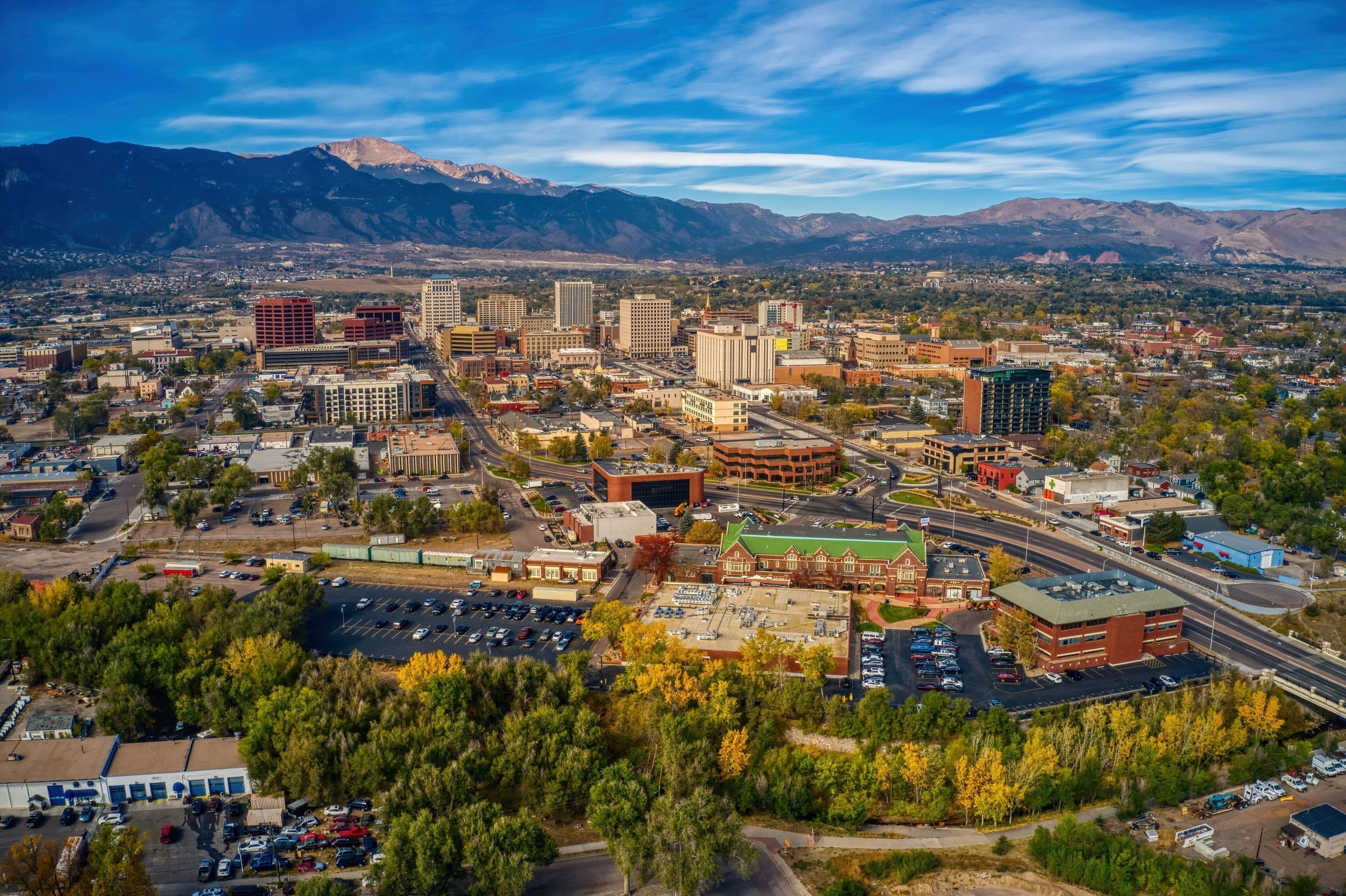
Colorado Springs basements face flooding risks that don't exist in lower-altitude cities. Clay soil expansion, freeze-thaw foundation pressure, and frozen supply lines at 6,035 feet mean we see more basement water damage per capita than most Front Range communities. Here's what we handle.
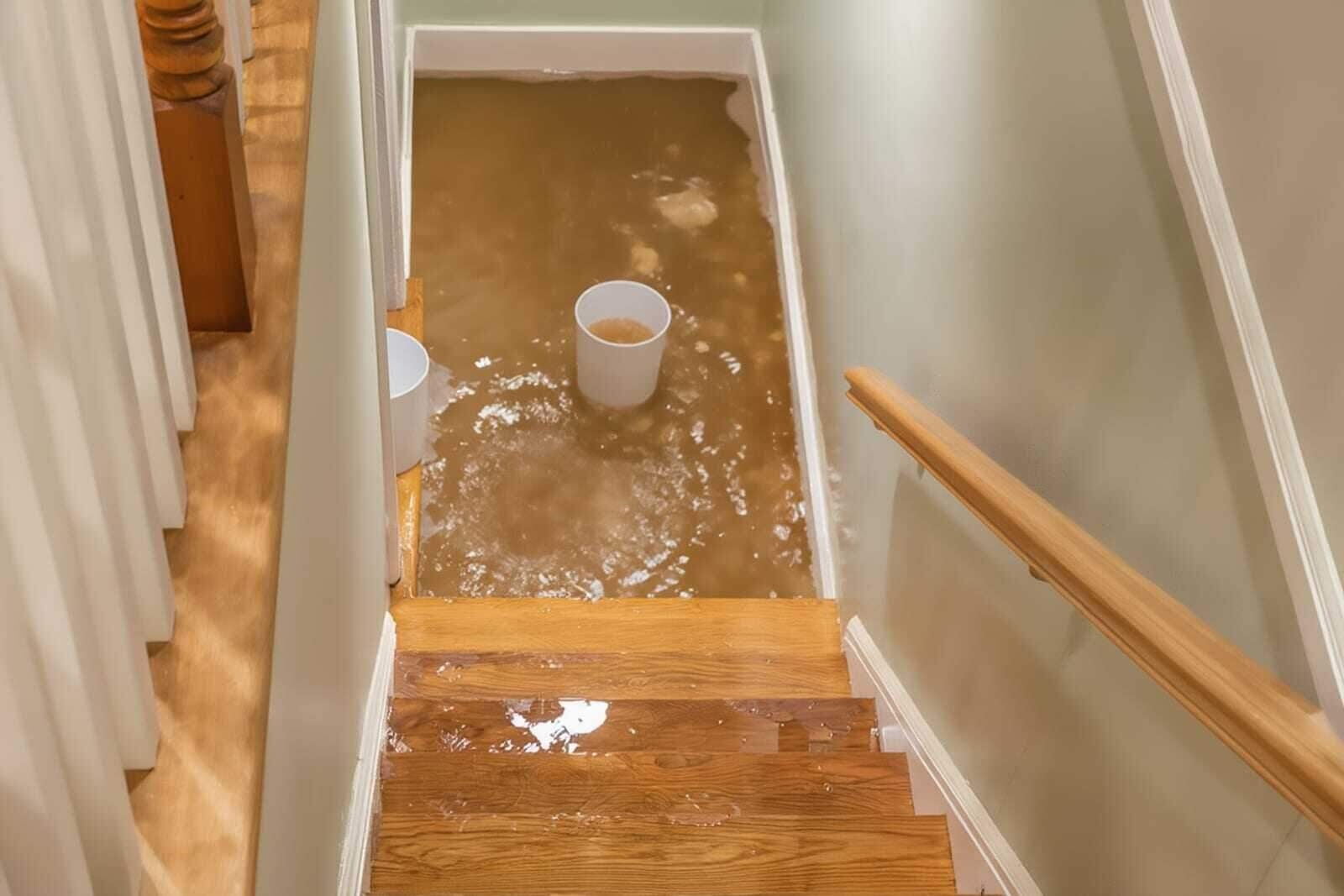
Standing Water Extraction
Submersible pumps for depth, truck-mounted extractors for the last inch. We remove standing water from concrete slabs, finished floors, and below-grade utility rooms — including partially frozen water during winter calls.
Foundation Seepage Cleanup
Colorado's expansive clay soil pushes moisture through cracks, cove joints, and block mortar during freeze-thaw cycles. We extract the water, dry the walls, and document the entry points for your waterproofing contractor.
Frozen Pipe Flood Recovery
A single burst pipe delivers 2–4 gallons per minute into your basement. We coordinate with your plumber on the pipe and handle everything downstream — extraction, material removal, drying, and mold prevention.
Concrete & Slab Drying
Concrete holds moisture long after surface water is gone. We use air movers, commercial dehumidifiers, and concrete-specific moisture meters to dry slabs to standard — typically 5–7 days for Colorado Springs basements.
Sump Pump Failure Response
When the sump fails during spring runoff or heavy rain, the pit overflows fast. We pump the basement, dry the affected area, and can install a battery backup so the next power outage doesn't repeat the flood.
Mold Prevention Treatment
Basements combine moisture, organic materials, and poor airflow — ideal for mold colonization within 48 hours. We apply antimicrobial treatment to exposed framing and concrete as part of every basement project, not as an upsell.
Our Basement Flood Cleanup Process
Basement water damage combines deep standing water, porous concrete, and enclosed-space mold risk. We address all three in sequence — every basement job follows the same proven steps.
Safety & Electrical Assessment
Electrical hazards come first. If water has reached outlets, junction boxes, or the panel, we verify power is disconnected before anyone enters. Winter calls add frozen-water slip hazards that require extra precautions.
Water Extraction & Pump-Out
Submersible pumps handle anything over two inches. Truck-mounted extractors pull remaining water from the slab surface, carpet, and low spots where concrete has settled. We don't leave until the floor reads extracted.
Damaged Material Removal
Saturated carpet and pad come out. Drywall gets cut 12+ inches above the waterline. We assess stored items — cardboard, furniture on the floor, and appliances that sat in water — and document losses for your claim.
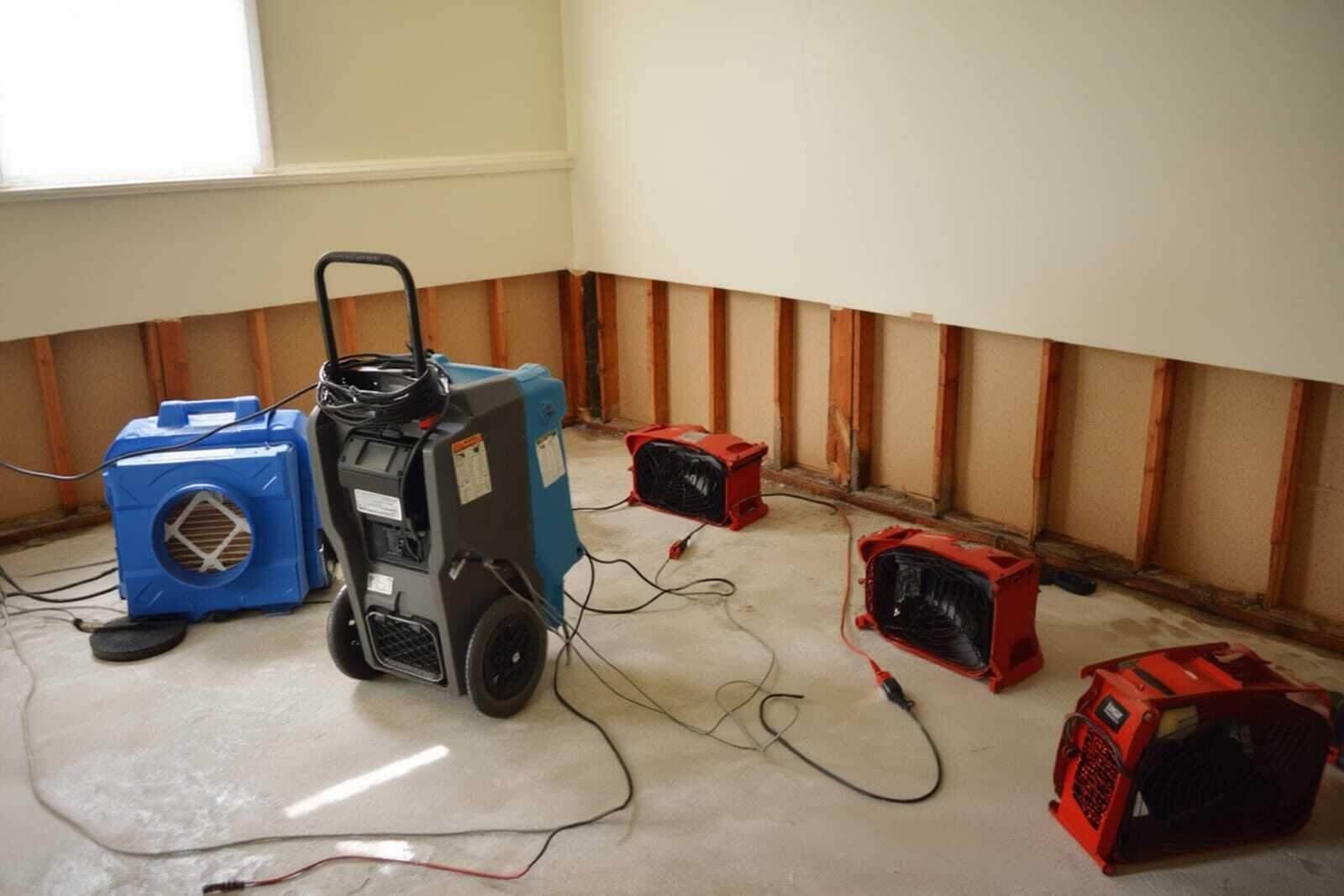
Structural Drying & Monitoring
Air movers and commercial dehumidifiers run 24/7. We target concrete slabs, block walls, and framing with equipment placement based on moisture mapping. Daily readings track progress — equipment comes out when readings say so, not a calendar. Full structural drying details.
Antimicrobial Treatment & Clearance
Every exposed surface gets preventive antimicrobial application before we close up walls. Final moisture readings, photo documentation, and a clearance report go to you and your insurance carrier together.
Why Basement Flooding in Colorado Springs Can't Wait
At 6,035 feet in El Paso County, Colorado Springs creates basement flooding conditions you won't find at lower elevations. Every hour of standing water compounds the damage.
Mold Starts in 24–48 Hours
Even in a cold basement, mold colonizes wet drywall, carpet, and cardboard within two days. Basements have limited airflow and stable temperatures — ideal growth conditions year-round. Waiting turns a drying project into a mold remediation project at twice the cost.
Concrete Absorbs Deeper Every Hour
Your slab is porous. Standing water doesn't sit on concrete — it wicks into it laterally and downward. Each hour of contact adds days to the drying timeline. What takes 5 days to dry at 4 hours of contact can take 10+ days after 24 hours.
Freeze-Thaw Won't Stop
If foundation seepage caused your flood, the freeze-thaw cycle repeats nightly from November through March. Each cycle widens the entry points. The water you see today will be worse next week unless you dry it, document it, and address the entry path.
Secondary Damage Escalates Fast
Swelling subfloors, rusting HVAC equipment, warping door frames, electrical corrosion — secondary damage starts within hours and quickly exceeds the cost of the initial water event. Your insurance covers what you mitigate promptly, not what you let worsen.
What to Do Right Now With Water in Your Basement
While you wait for our crew — or if you just discovered the water — take these steps to limit damage and protect yourself.
Don't Enter If Water Touches Electrical
If standing water has reached any outlets, junction boxes, or your electrical panel, stay out. Only approach the main breaker if you can reach it without stepping in water. When in doubt, wait for us.
Shut Off the Water Supply
If a burst pipe or water heater caused the flood, close the main shutoff valve. A running supply line adds 2–4 gallons per minute to your basement — every minute counts.
Move Valuables Off the Floor
Get electronics, documents, and irreplaceable items onto tables or shelves. Cardboard boxes on a wet basement floor are destroyed within hours. Prioritize what you can't replace.
Open Windows If Weather Allows
Air exchange helps. If outside temperatures are above freezing, crack basement windows to start reducing humidity. Don't open them if it's below 32°F — you'll create ice hazards on wet surfaces.
Document Everything With Photos
Photograph the water level, affected items, and the source (if visible) before you touch anything. Your insurance adjuster needs to see the loss as it happened. Timestamp your photos.
Call Us — Then Call Your Insurance
Call (833) 567-6041 first. We start mitigation while you file the claim. Your policy requires prompt action to mitigate damage — waiting for adjuster approval before extracting water can jeopardize your coverage.
We respond to emergency basement calls within 60 minutes across Colorado Springs. Our crew handles the safety assessment, extraction, and initial drying setup in one visit.
Insurance Claims for Basement Water Damage
Most homeowner's policies cover sudden basement flooding — burst pipes, water heater failures, appliance leaks. Foundation seepage and groundwater are typically excluded unless you carry a water backup endorsement. We handle the documentation side so your claim goes smoothly.
We Document to IICRC Standards
Moisture readings, photo evidence, material inventories, and drying logs — everything your adjuster needs, formatted the way carriers expect. No gaps in documentation means fewer claim disputes.
We File Direct With Your Carrier
We submit documentation and communicate with your adjuster directly. You don't have to translate technical drying data into insurance language — we've done hundreds of these claims in El Paso County.
We Track the Full Scope
Basement floods often affect more than the basement — HVAC contamination, moisture migration upward through framing, stored item losses. We document the full scope so nothing gets missed on the initial claim. Learn about water damage costs.
We work with all major carriers in Colorado Springs including State Farm, USAA, Allstate, American Family, and Farmers. Military families at Fort Carson and Peterson SFB — we're familiar with USAA's documentation requirements.
Basement Flood Cleanup — Common Questions
How fast can you get to my flooded basement in Colorado Springs?
We respond within 60 minutes across Colorado Springs and El Paso County. Our trucks carry submersible pumps, extractors, and drying equipment so work starts on arrival — no waiting for a second trip. Nighttime and weekend calls get the same response time.
How long does it take to dry a concrete basement floor?
Concrete basement floors in Colorado Springs typically take 5–7 days to reach dry standard after extraction. Concrete is porous and wicks moisture laterally, so even after standing water is gone, the slab holds significant moisture. We monitor daily with concrete-specific meters and pull equipment when readings confirm dry — not on a calendar.
Will my homeowner's insurance cover basement flood cleanup?
Most policies cover sudden and accidental water damage — burst pipes, water heater failures, appliance malfunctions. Foundation seepage and groundwater intrusion are typically excluded unless you carry a water backup endorsement. We document everything to IICRC standards and file directly with your carrier to streamline the claim.
Can basement water damage cause mold?
Yes — and basements are the highest-risk location. Mold colonizes wet materials within 24–48 hours, even in cold conditions. Basements combine moisture, organic materials like drywall and carpet, and limited air circulation. We apply preventive antimicrobial treatment during every basement drying project because waiting to see mold means it's already established behind your walls.
Do you handle basement flooding from frozen pipes?
Frozen pipe bursts are our most common basement call from November through March. We handle the full scope — water extraction, pipe coordination with your plumber, concrete and wall drying, and mold prevention. At 6,035 feet, Colorado Springs sees more frozen pipe basement floods than most Front Range cities. More on frozen pipe damage.